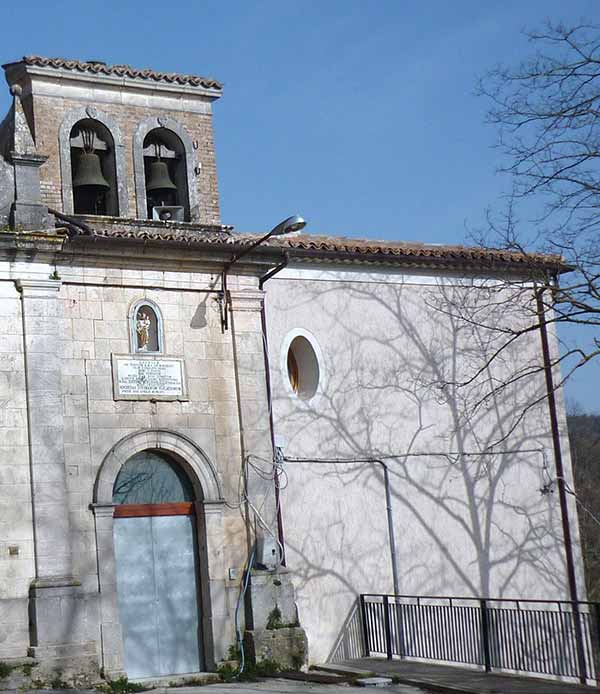
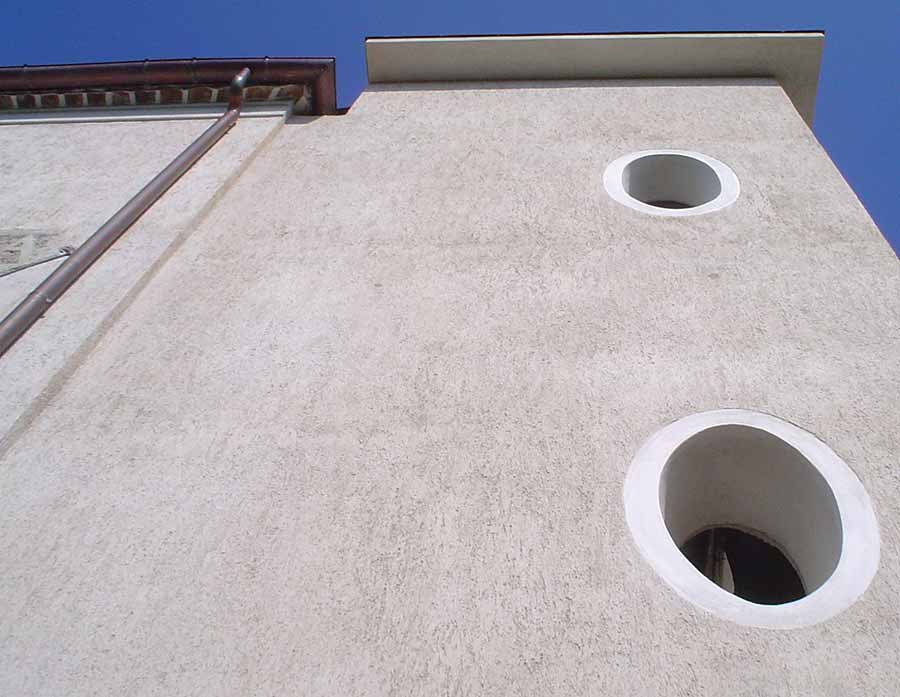
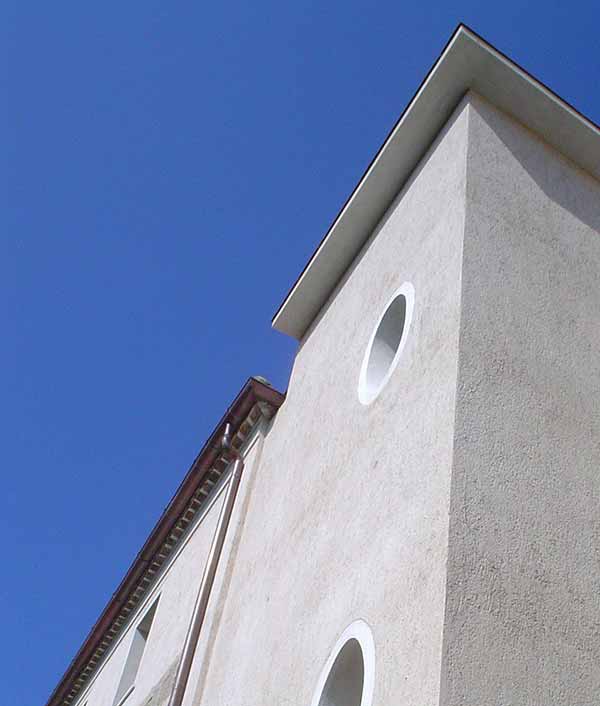
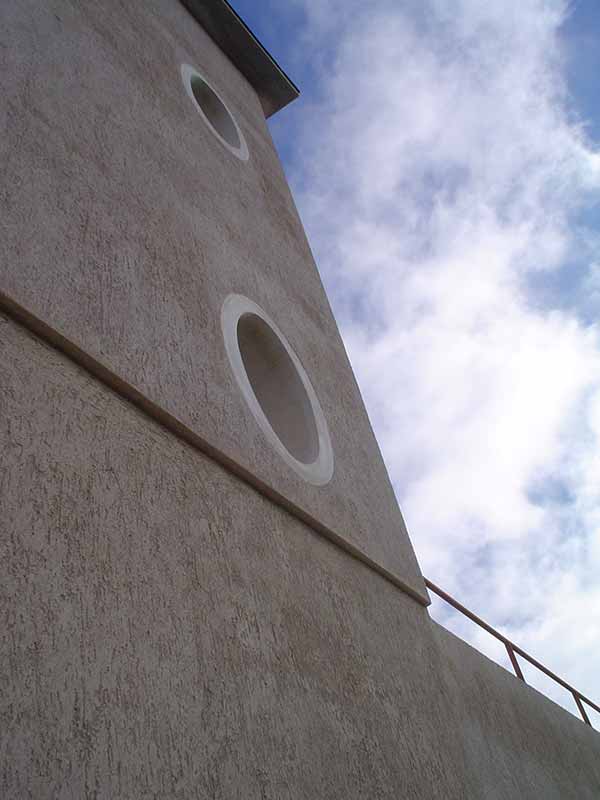
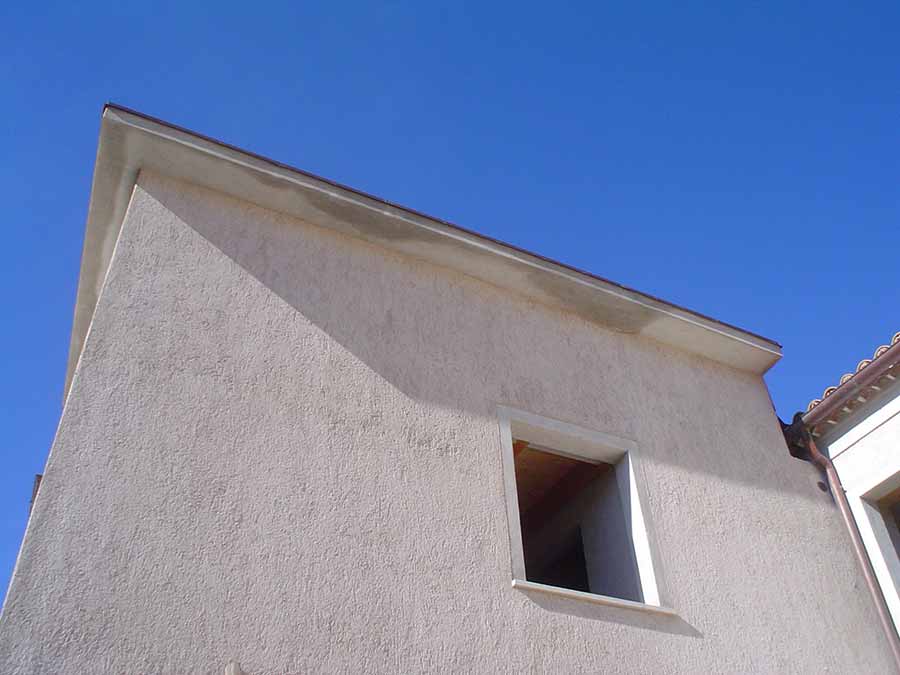
The building under the intervention is part of the Monserrato complex built between 1750 and 1800. The architectural complex includes a church erected on a pre-existing chapel from 1757 and an adjoining wing of the church, used by the community as a House of Education (Vocationist Council) until 1972. The wing, of which a part of the intervention, was annexed in a phase following the founding of the aforementioned church, that is, between 1790 and 1800. Used in the past as a restful place of study and prayer, it is located on the hill between the villages of Diano and Calvisi in the municipality of Scigliano. The recovery of this part of the building goes to strengthen the structure of collective services, already present in the center of the town as well as redevelopment a historically important place for Scigliano and the territory around. At present, the wing in question is divided into three levels, one of which is a basement.
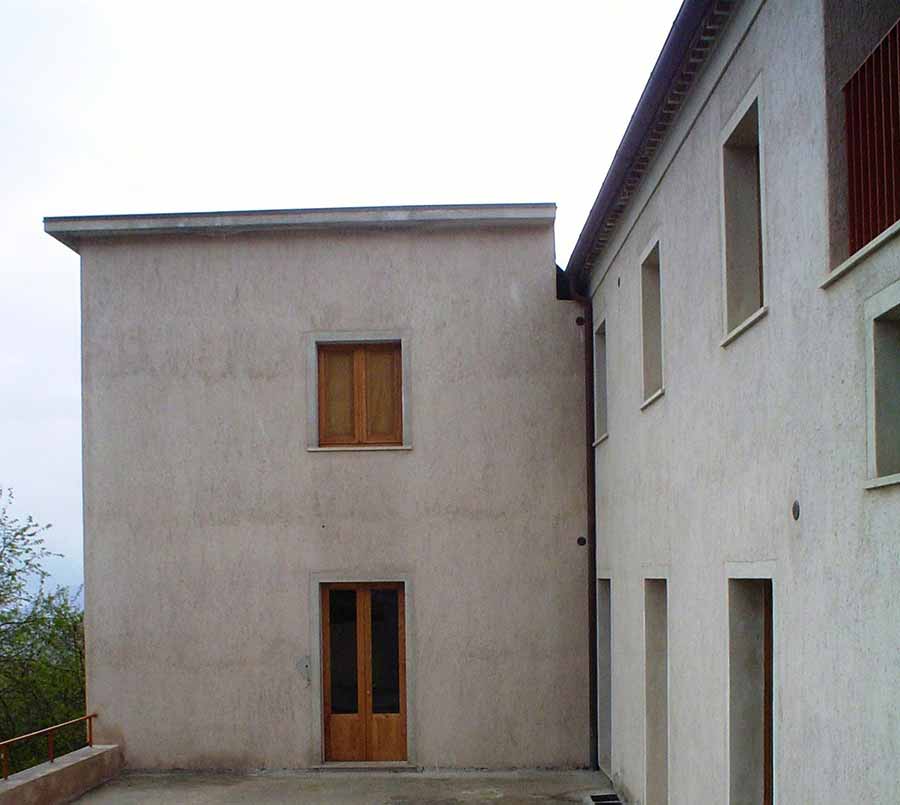
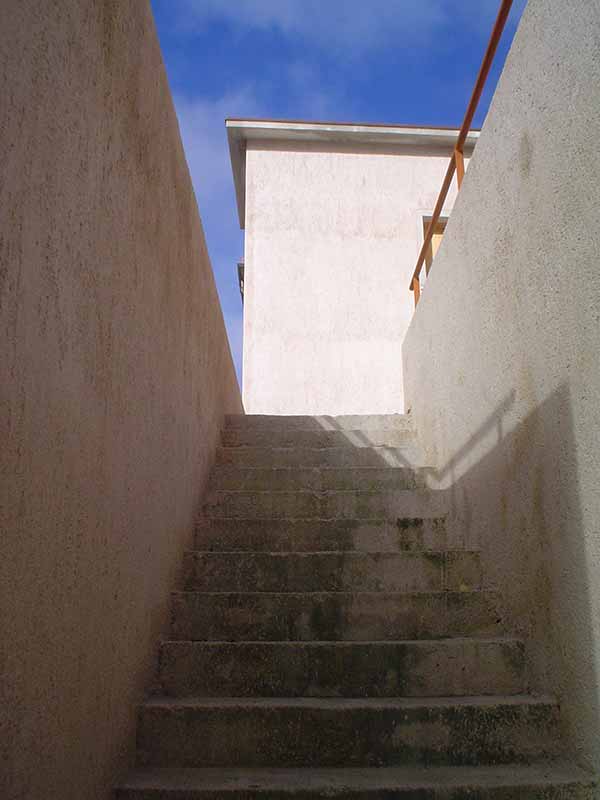
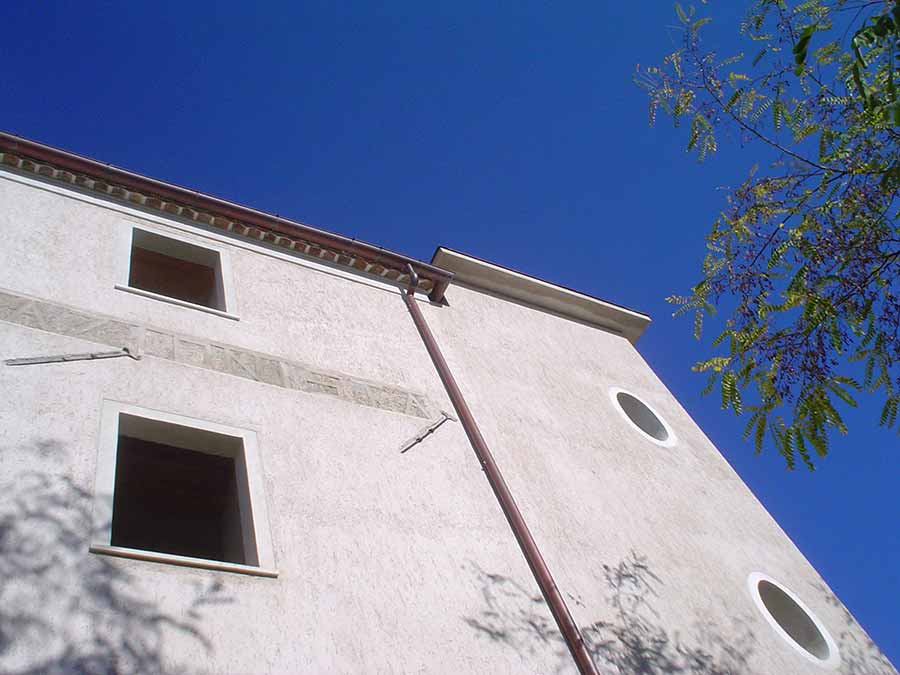
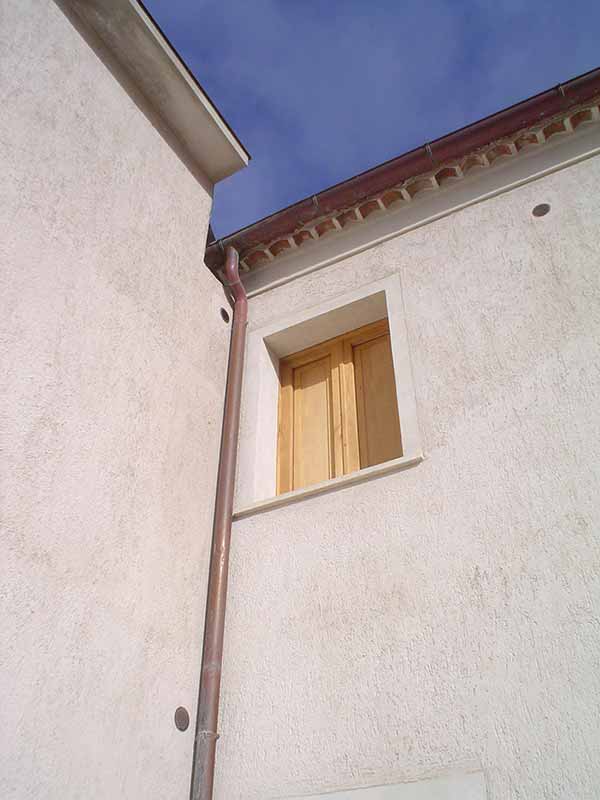
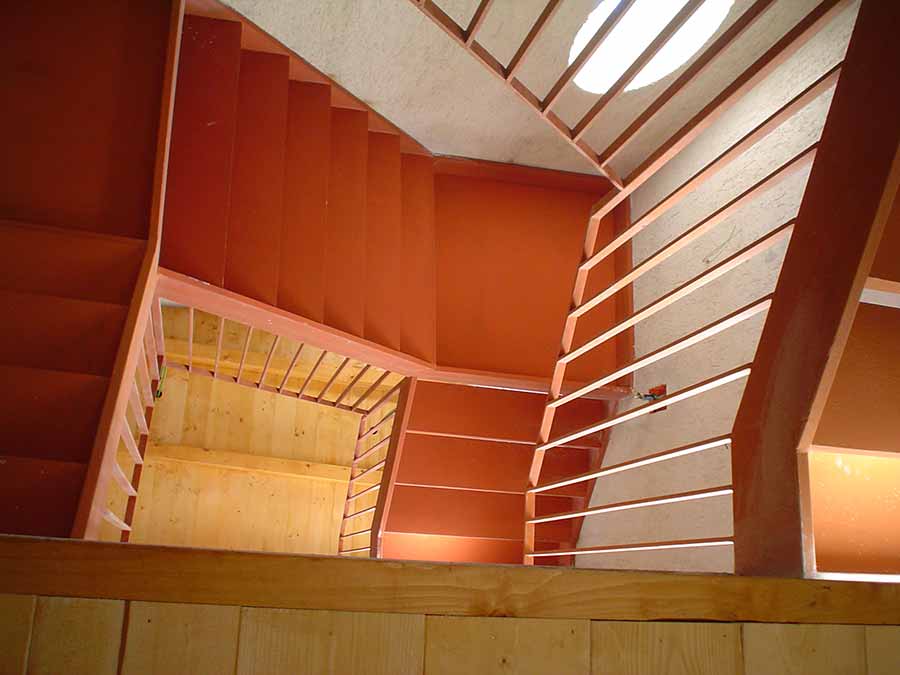
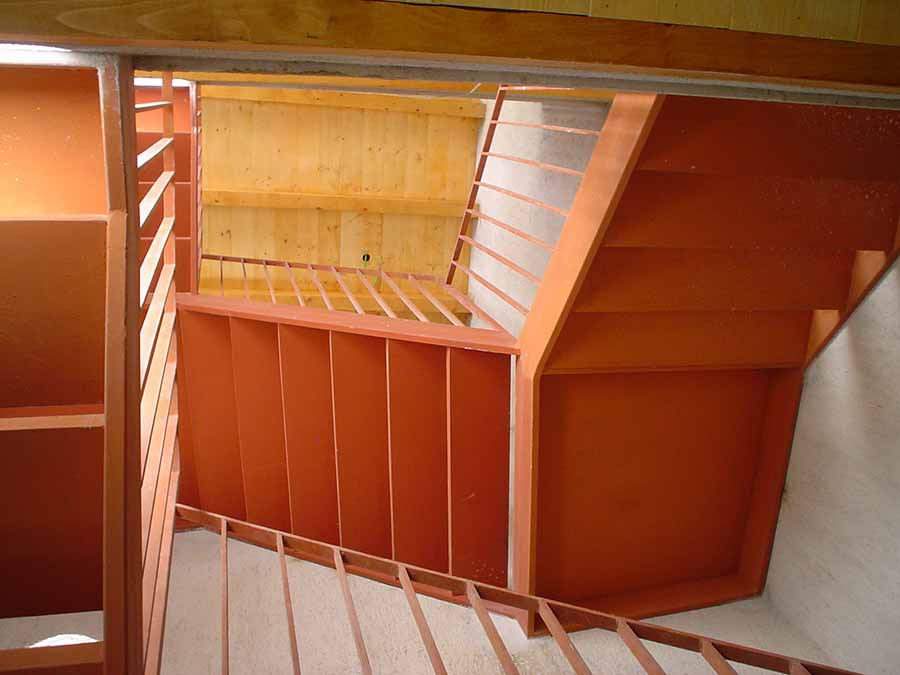
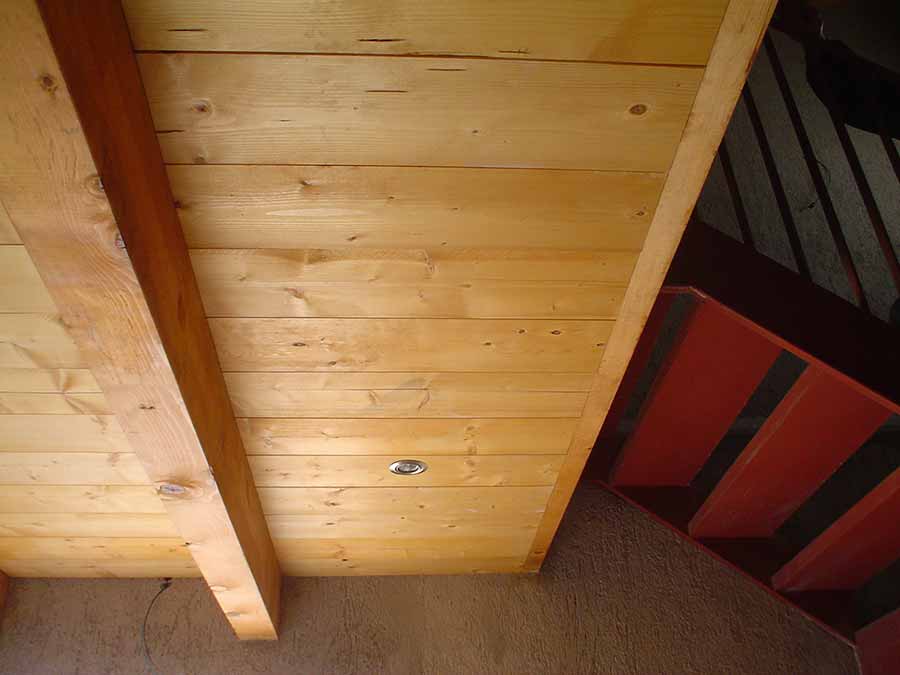
The building covered by the intervention falls in Zone A: historic center. This project covers the work required for the construction of 15 single bedrooms, with attached toilets and collective spaces to be allocated to particular social categories of self-sufficient people. This “Hotel of the third age” will have a receptivity of 15 people and will include: 1) two entrances including the one to the east with staircase and elevator 2) a collective room 3) 15 single rooms with attached bathroom 4) wide corridors of connections 5) aggregation spaces outside such as the Sagrato to the west with a public character and the Square to the east with a more private character. Essentially, these works will involve the seismic improvement of the structure, the functional and architectural restoration of the outer space of the access court to the entrance hall, and the interior space with the redistribution of the 3 levels existing respect for the new function, the redevelopment of the facades, the arrangement of the overall roof by rationalizing the current geometry of the roof, the demolition and reconstruction of the current stairwell with an appropriate connection, a lift and on the ground floor a small entrance hall. The recovery project involves the consolidation of the masonry structures, the reconstruction of the floors with a structure in c.a. counter-sofused with wood (laminal), the elimination of some parts foreign to the probable original plant, a new and more rational internal distribution of spaces in relation to the destination of use with minimal design choices in tune with Calabrian historical and rural architecture. The main materials are local: lime plaster with rough patina, terracotta floors, St. Lucid stone doors, chestnut wood fixtures with interior scures and wooden lintels found and recovered, iron staircase with stone slabs. The distribution is on 3 levels. Outside, the facades are expected to be conservatively recovered, with wooden and dark fixtures, the romanelle cornice and the roof with clay cups. The challenge in this project is to find a synthesis where the relationship between the old and the new reflects a necessary mutual respect, but also to aim for a greater quality of the place, in the sense of continuing to build and tell the story in the “style” and with the half i of the present, but in a language akin to what is going on. In fact, the principle according to which it is intended to operate, tends to combine conservation and preservation with the inclusion of “new” architectural elements that have a moderately modern language and therefore compatible with the pre-existing situation.